10 Best Bluegrass Banjos 2026 in the United States
Winner
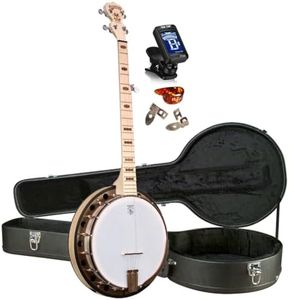
Deering Goodtime 5-String Openback Banjo Art Deco Inlay Bronze Powder Coat Hardware Open Back with Instrument Alley Bag, Tuner, Mute, Picks Combo - Made in the USA
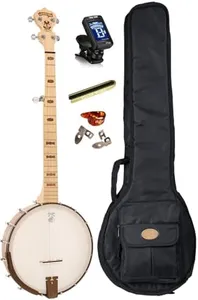
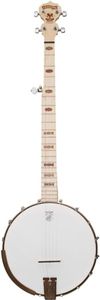
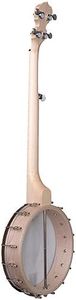

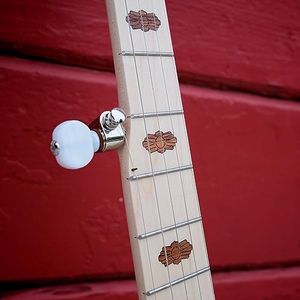
Deering Goodtime 5-String Openback Banjo Art Deco Inlay Bronze Powder Coat Hardware Open Back with Instrument Alley Bag, Tuner, Mute, Picks Combo - Made in the USA
Chosen by 1143 this week
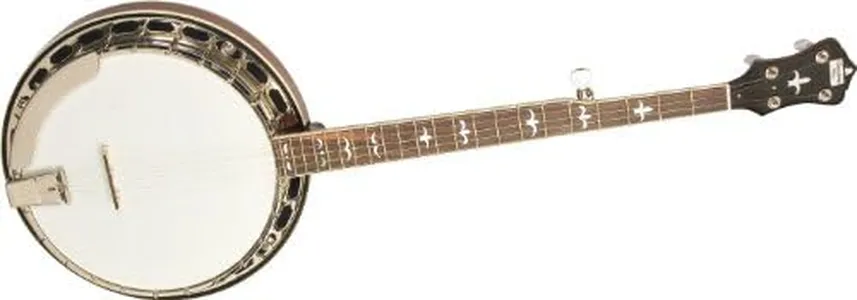
Recording King RK-R36-BR Madison Tone Ring Banjo, Mahogany Resonator
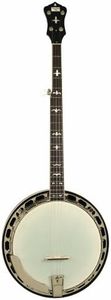
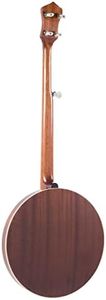
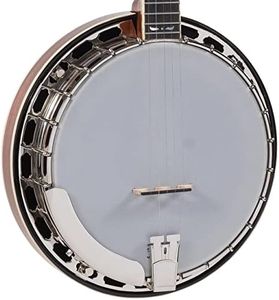

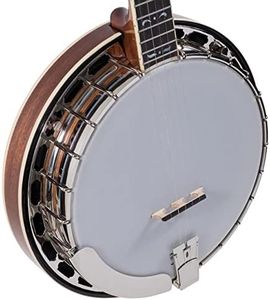
Recording King RK-R36-BR Madison Tone Ring Banjo, Mahogany Resonator
Gold Tone AC-1: 5-String Beginnner Banjo, Full Size with Gig-Bag, Bluegrass or Clawhammer


Gold Tone AC-1: 5-String Beginnner Banjo, Full Size with Gig-Bag, Bluegrass or Clawhammer
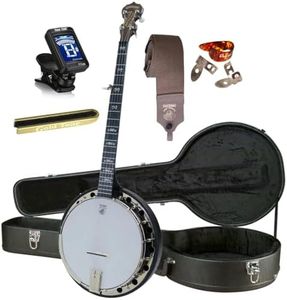
Deering Goodtime 2 5-String Maple Resonator Bluegrass Banjo 1920's Art Deco Inlay Bronze Powder Coat Hardware with Instrument Alley Hard Case Combo
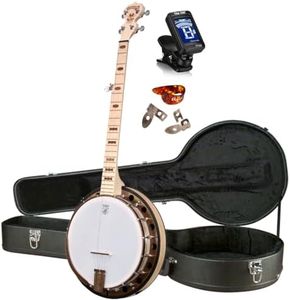


Deering Goodtime 2 5-String Maple Resonator Bluegrass Banjo 1920's Art Deco Inlay Bronze Powder Coat Hardware with Instrument Alley Hard Case Combo
Gold Tone AC-1/L: 5-String Beginnner Banjo, Full Size with Gig-Bag, Bluegrass or Clawhammer (Left-Handed)
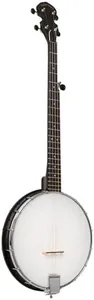

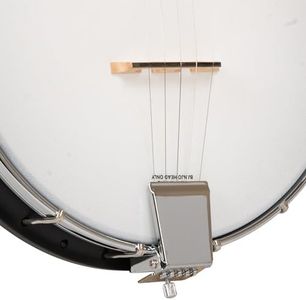

Gold Tone AC-1/L: 5-String Beginnner Banjo, Full Size with Gig-Bag, Bluegrass or Clawhammer (Left-Handed)
Related Products

Deering Goodtime Openback 5-String Banjo Left Handed
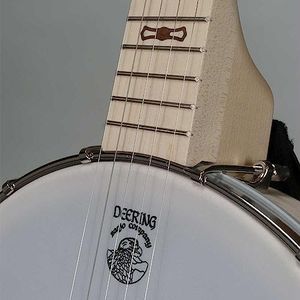
Deering Goodtime Openback 5-String Banjo Left Handed
Deering Artisan Goodtime Special 5-String Bluegrass Banjo with Resonator and Tone Ring | Made In U.S.A.
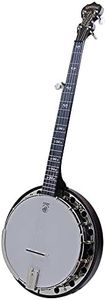
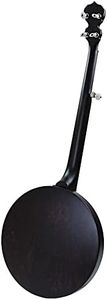
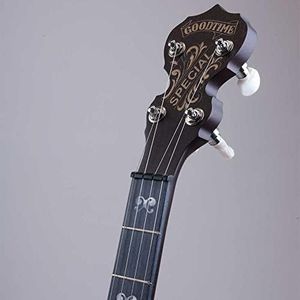
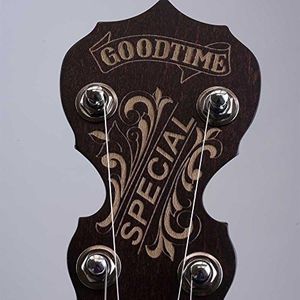
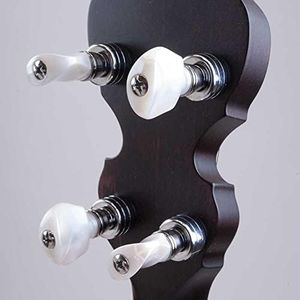
Deering Artisan Goodtime Special 5-String Bluegrass Banjo with Resonator and Tone Ring | Made In U.S.A.
Gold Tone OB-150: Orange Blossom Banjo with Case, 5-String Banjo


Gold Tone OB-150: Orange Blossom Banjo with Case, 5-String Banjo
Blackgrass Banjo with Maple Top by Deering
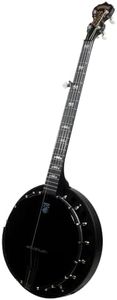
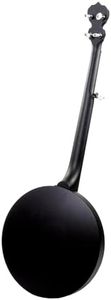
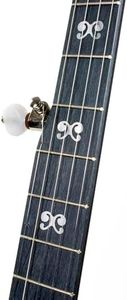
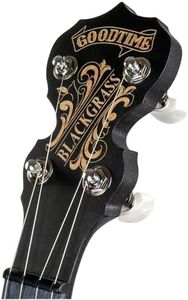
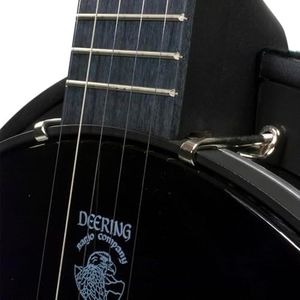
Blackgrass Banjo with Maple Top by Deering
Deering Goodtime BLACKGRASS 5-String Bluegrass Banjo with Hard Case - All-Black Resonator, Neck and Hardware - Midnight


Deering Goodtime BLACKGRASS 5-String Bluegrass Banjo with Hard Case - All-Black Resonator, Neck and Hardware - Midnight
Recommended lists
Banjos
Our technology thoroughly searches through the online shopping world, reviewing hundreds of sites. We then process and analyze this information, updating in real-time to bring you the latest top-rated products. This way, you always get the best and most current options available.

Our Top Picks
Winner
Deering Goodtime 5-String Openback Banjo Art Deco Inlay Bronze Powder Coat Hardware Open Back with Instrument Alley Bag, Tuner, Mute, Picks Combo - Made in the USA
Most important from
13 reviews
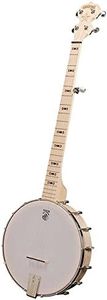
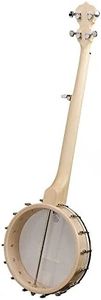
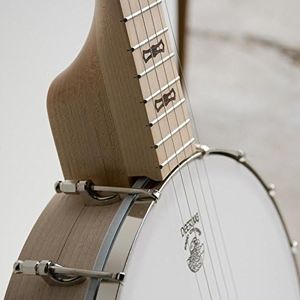
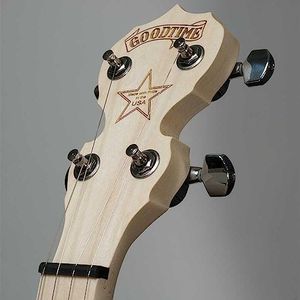
The Deering Goodtime 5-String Openback Banjo is a well-crafted instrument ideal for beginners and intermediate players interested in bluegrass or folk styles that often favor an openback banjo sound. Made with premium rock maple, its 11" 3-ply maple rim and high crown frosted head contribute to a bright, clear tone with good projection. The 'D' shaped neck with a comfortable width and 22 nickel silver frets allows for easy playability. One unique feature is the bronze powder-coated hardware, which adds durability and a stylish look. The banjo uses stainless steel strings, which are known for lasting longer and maintaining consistent tone.
Although it lacks a resonator, which some bluegrass players prefer for a louder, punchier sound, the openback design suits those who want a softer, more traditional tone. The inclusion of a padded gig bag, chromatic tuner, mute, and picks makes it a great value for players starting out or those who want a ready-to-play setup.
The absence of a tone ring means the instrument may not have the complex ringing richness found on higher-end banjos. Nevertheless, its solid construction and 6-year warranty provide a reliable choice for those focusing on comfort and tonal clarity rather than volume or sustain.
Most important from
13 reviews
Recording King RK-R36-BR Madison Tone Ring Banjo, Mahogany Resonator
Most important from
4 reviews
The Recording King RK-R36-BR Madison Tone Ring Banjo is designed with bluegrass players in mind, featuring a solid mahogany resonator and neck that contribute warm, rich tones. It includes a Mastertone-style bell brass cast tone ring, which helps produce the bright, ringing sound characteristic of bluegrass music. The banjo has a polished finish and a one-piece banjo flange, adding to its durability and traditional look. The dual coordinator rods provide good neck stability and allow adjustments to maintain playability over time.
With four strings made from alloy steel, it offers a bright and clear sound suitable for a variety of playing styles. The rim and head materials, including maple and rosewood backing, help balance the instrument’s tone and projection. While it lacks some premium features found in higher-end models, this banjo is well-suited for intermediate players or those seeking an authentic bluegrass sound without a high price tag.
It is durable and easy to maintain, but beginners might need some time to get used to its tone and setup. This banjo provides solid value with quality materials and classic bluegrass sound characteristics.
Most important from
4 reviews
Gold Tone AC-1: 5-String Beginnner Banjo, Full Size with Gig-Bag, Bluegrass or Clawhammer
The Gold Tone AC-1 is a 5-string beginner banjo that caters well to those just starting out with bluegrass or clawhammer styles. One of its standout features is the composite rim open back design, which keeps the weight down to just one pound, making it very manageable for new players to hold and play for extended periods.
The zero-glide nut system is another plus, aiding in smoother and more accurate string performance. The included gig bag adds to its value, offering a convenient way to transport and protect the instrument. The Gold Tone 12-point set-up ensures the banjo is ready to play right out of the box, which is great for beginners who may not have the skills to set up an instrument themselves.
The banjo has a Remo frosted head and a maple with ebony cap bridge, both of which are good quality components for producing a pleasant sound. The fretboard is made of rosewood, which is known for its durability and smooth feel. The nickel-plated steel strings are standard and offer decent sound quality and longevity. The composite body might not appeal to traditionalists who prefer the sound and feel of a wooden body. The Gold Tone AC-1's lightweight build, ease of play, and included gig bag make it an excellent choice for beginners looking to explore bluegrass banjo.