10 Best Japanese Chef Knives 2026 in the United States
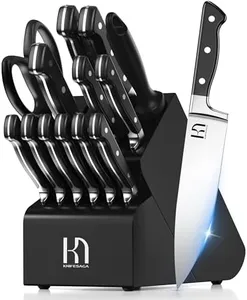
Winner
imarku 3 Pieces Knife set, Japanese HC Stainless Steel Kitchen Knife Set, Professional Chef Knife Set With Ergonomic Pakkawood Handle, Ultra Sharp Knives Set for Kitchen & Home Cooking, Gifts Box
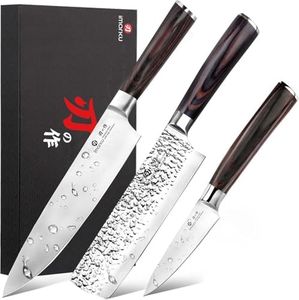
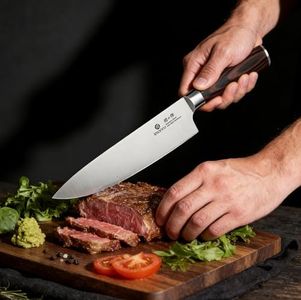
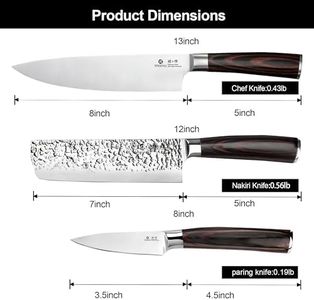
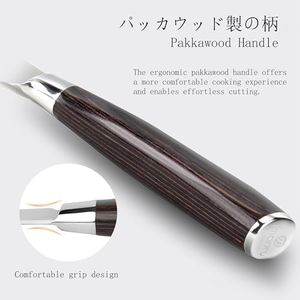
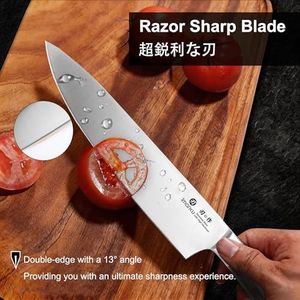
imarku 3 Pieces Knife set, Japanese HC Stainless Steel Kitchen Knife Set, Professional Chef Knife Set With Ergonomic Pakkawood Handle, Ultra Sharp Knives Set for Kitchen & Home Cooking, Gifts Box
Chosen by 1250 this week
imarku Santoku Knife Chef Knife 5 inch Ultra Sharp Asian Knife Japanese Chef Knife - Japanese High Carbon Stainless Steel - Ergonomic Pakkawood Handle, Best Choice for Home Kitchen
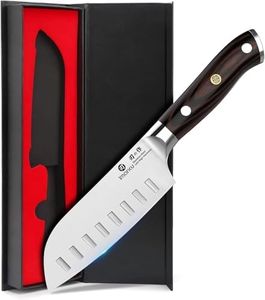
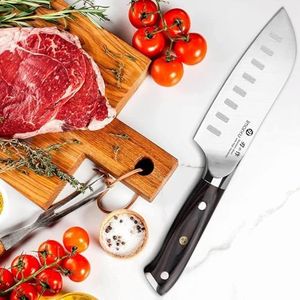
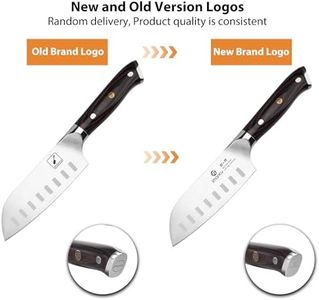
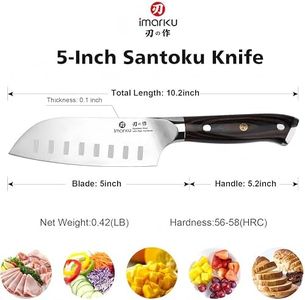
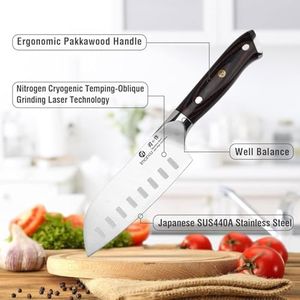
imarku Santoku Knife Chef Knife 5 inch Ultra Sharp Asian Knife Japanese Chef Knife - Japanese High Carbon Stainless Steel - Ergonomic Pakkawood Handle, Best Choice for Home Kitchen
imarku Nakiri Knife,7 Inch High Carbon Stainless Steel Japanese Chef Knife,Razor Sharp Chopping Vegetable and Meat Cleaver Kitchen Knife with Ergonomic Handle,Birthday Gift
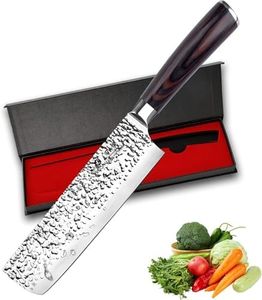
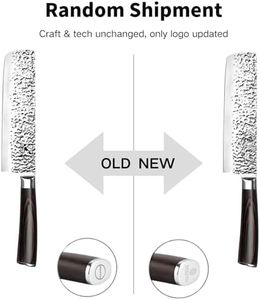
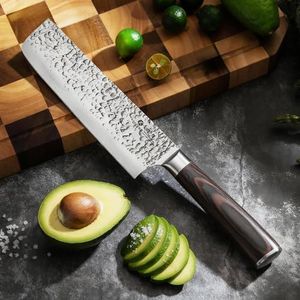
imarku Nakiri Knife,7 Inch High Carbon Stainless Steel Japanese Chef Knife,Razor Sharp Chopping Vegetable and Meat Cleaver Kitchen Knife with Ergonomic Handle,Birthday Gift
Shun Premier 6 Piece Block Set
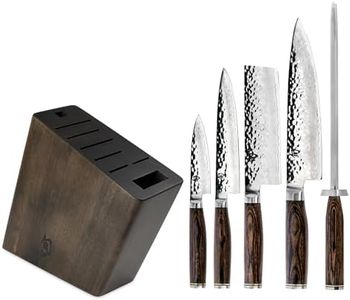
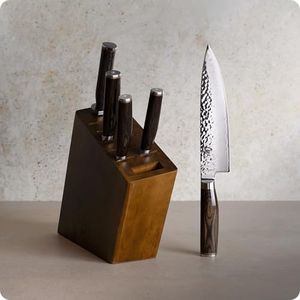
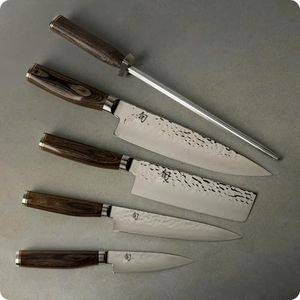
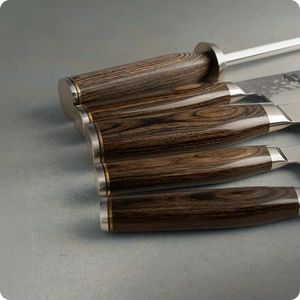
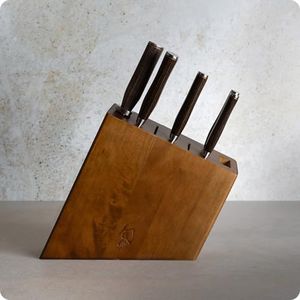
Shun Premier 6 Piece Block Set
Shun Classic 10" Chef's Knife, Handcrafted Japanese Kitchen Knife for Professional and Home Chefs, VG-MAX Core with Damascus Stainless Steel Cladding, Pakkawood Handle
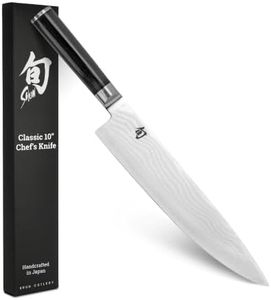

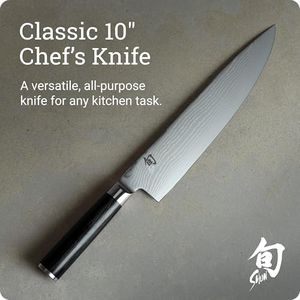
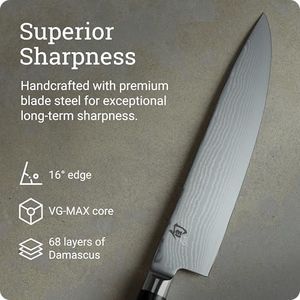
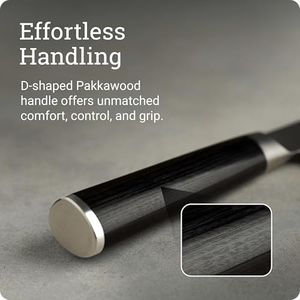
Shun Classic 10" Chef's Knife, Handcrafted Japanese Kitchen Knife for Professional and Home Chefs, VG-MAX Core with Damascus Stainless Steel Cladding, Pakkawood Handle
Related Products
Up to 23% off
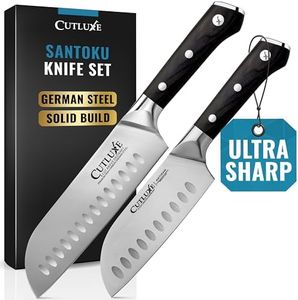
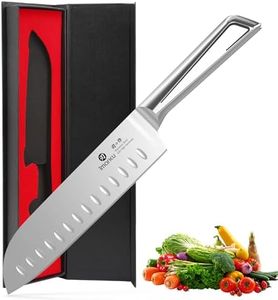
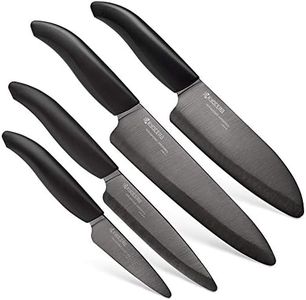
WÜSTHOF Classic 8" Chef's Knife, Black



WÜSTHOF Classic 8" Chef's Knife, Black
Shun Premier 10" Chef's Knife, Handcrafted Japanese Kitchen Knife for Professional and Home Chefs, VG-MAX Core with Damascus Stainless Steel Cladding, Pakkawood Handle
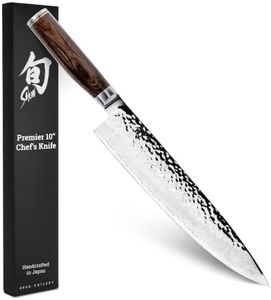
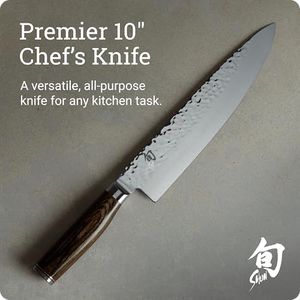
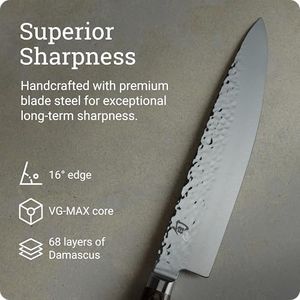
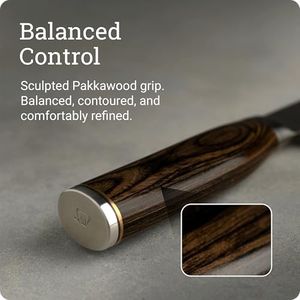
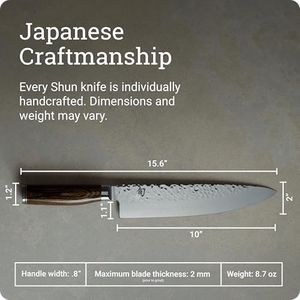
Shun Premier 10" Chef's Knife, Handcrafted Japanese Kitchen Knife for Professional and Home Chefs, VG-MAX Core with Damascus Stainless Steel Cladding, Pakkawood Handle
SHAN ZU Damascus Knife Set, Japanese Super Steel 3 PCS Damascus High Carbon Professional Ultra-Sharp Kitchen Chef Knife Set with G10 Handle Gift Box
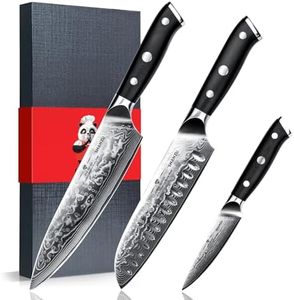
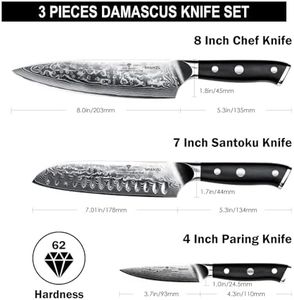
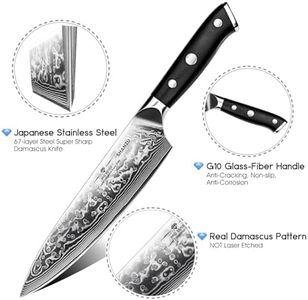
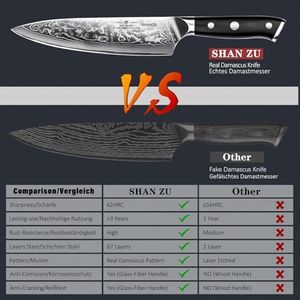

SHAN ZU Damascus Knife Set, Japanese Super Steel 3 PCS Damascus High Carbon Professional Ultra-Sharp Kitchen Chef Knife Set with G10 Handle Gift Box
imarku Santoku Chef Knife 7 Inch, Ultra Sharp High Carbon Stainless Steel Japanese Kitchen Knife with Hollow Edge | Ergonomic Pakkawood Handle, Gift Box for Meat/Vegetables/Tomatoes & Daily Cooking
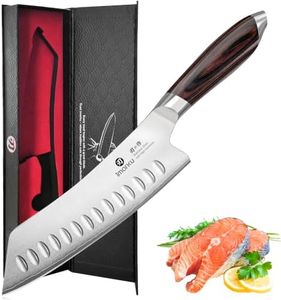
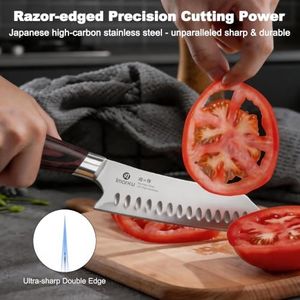
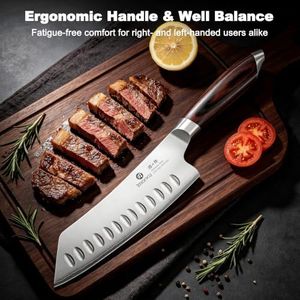
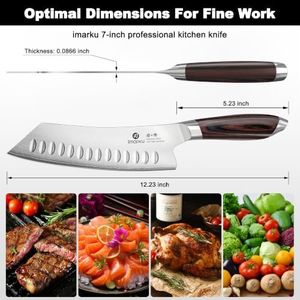
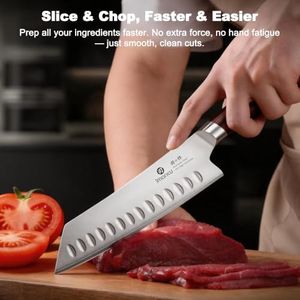
imarku Santoku Chef Knife 7 Inch, Ultra Sharp High Carbon Stainless Steel Japanese Kitchen Knife with Hollow Edge | Ergonomic Pakkawood Handle, Gift Box for Meat/Vegetables/Tomatoes & Daily Cooking
Shun Classic Blonde 8" Chef's Knife, Handcrafted Japanese Kitchen Knife for Professional and Home Chefs, VG-MAX Core with Damascus Stainless Steel Cladding, Pakkawood Handle
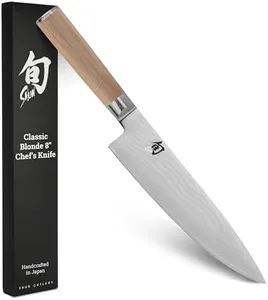
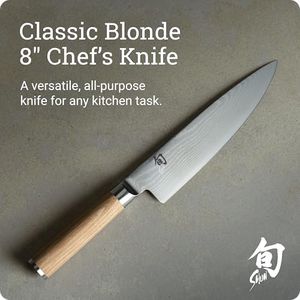
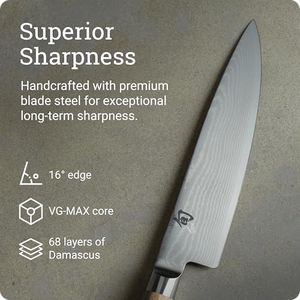
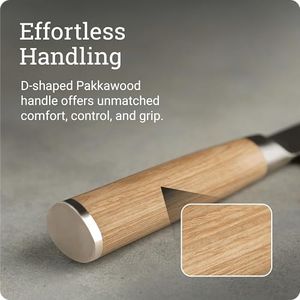
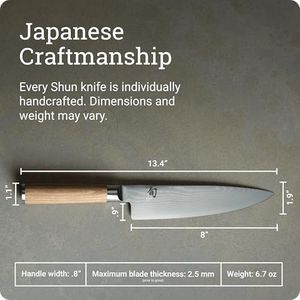
Shun Classic Blonde 8" Chef's Knife, Handcrafted Japanese Kitchen Knife for Professional and Home Chefs, VG-MAX Core with Damascus Stainless Steel Cladding, Pakkawood Handle

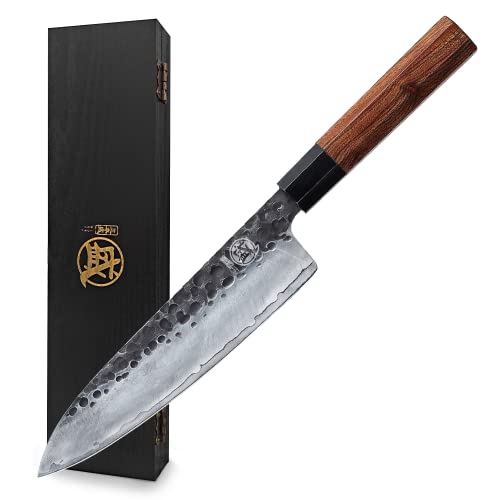
Our technology thoroughly searches through the online shopping world, reviewing hundreds of sites. We then process and analyze this information, updating in real-time to bring you the latest top-rated products. This way, you always get the best and most current options available.

Our Top Picks
Winner
imarku 3 Pieces Knife set, Japanese HC Stainless Steel Kitchen Knife Set, Professional Chef Knife Set With Ergonomic Pakkawood Handle, Ultra Sharp Knives Set for Kitchen & Home Cooking, Gifts Box
Most important from
10416 reviews
The imarku 3-piece Japanese chef knife set offers a practical combination of knives to cover most kitchen cutting tasks: an 8-inch chef knife for general use, a 7-inch nakiri ideal for vegetables and meat, and a 3.5-inch paring knife for detailed work. The blades are made from high-carbon Japanese stainless steel, giving them good sharpness, edge retention, and resistance to corrosion. They feature a 15° double bevel edge with a 2.3mm thickness, allowing for precise and smooth slicing. The knives are forged, which generally means better durability and balance.
The pakkawood handles provide an ergonomic, comfortable grip and help reduce hand fatigue during longer cooking sessions, making them suitable for both home cooks and professionals. These knives are not dishwasher safe, so hand washing is recommended to maintain their quality. The set also comes in a stylish gift box, making it a nice present for cooking enthusiasts. While the set covers essential blade shapes and sizes well, it doesn’t include more specialized knives that some might want.
This set is well-suited for everyday cooking needs with sharp blades and comfortable handles, especially if you value traditional Japanese-style knives and want a ready-to-use, attractive package.
Most important from
10416 reviews
imarku Santoku Knife Chef Knife 5 inch Ultra Sharp Asian Knife Japanese Chef Knife - Japanese High Carbon Stainless Steel - Ergonomic Pakkawood Handle, Best Choice for Home Kitchen
Most important from
6399 reviews
The imarku 5-inch Santoku knife is a solid choice for home cooks who want a high-quality Japanese chef knife with strong performance. Its blade is made from Japanese high carbon stainless steel, which resists rust and corrosion while maintaining sharpness. The 5-inch blade length offers excellent control and precision, especially for detailed cutting tasks, although it’s shorter than the typical 7-inch Santoku, so it might feel small if you prefer larger knives. The blade edge is hand-polished to a sharp 15-18 degree angle per side, giving it a very keen edge that holds up well through regular kitchen work. This sharpness combined with its thin 2.3mm blade thickness enables smooth, accurate slicing without much effort. The blade also features an anti-stick design to reduce food clinging, which can speed up prep work.
The handle is made from ergonomic Pakkawood, providing a comfortable, secure grip that reduces wrist fatigue even during extended use. Weighing about 0.41 pounds, the knife strikes a good balance of lightweight and control, making it easy to maneuver. One minor downside is that it’s not dishwasher safe, so hand washing is recommended to keep the wood handle and blade in top condition.
This Santoku knife is well suited for everyday kitchen tasks like cutting vegetables, meat, and fruits. Its stylish rosewood handle and gift box presentation also make it a thoughtful gift for cooking enthusiasts.
Most important from
6399 reviews
imarku Nakiri Knife,7 Inch High Carbon Stainless Steel Japanese Chef Knife,Razor Sharp Chopping Vegetable and Meat Cleaver Kitchen Knife with Ergonomic Handle,Birthday Gift
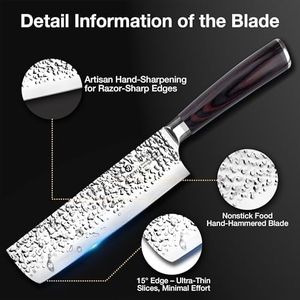
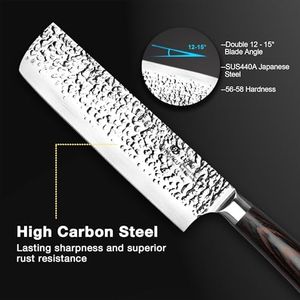
The imarku Nakiri Knife is a well-crafted 7-inch Japanese-style vegetable knife designed for both home cooks and professionals who need precision in chopping. Its blade is made from high-carbon stainless steel, which offers good rust resistance and long-lasting sharpness, though it requires hand washing to keep it in top shape. The 15° plain edge is razor-sharp, making slicing vegetables, fruits, and even meat smooth and efficient. The blade's hollow-edge and hammered finish help reduce food sticking, which makes cutting less frustrating and more enjoyable.
The knife features a dark brown Pakkawood handle that’s ergonomically shaped for comfort and grip, supported by a full-tang design that provides balanced weight and reduces hand fatigue during extended use. This makes it suitable for users who spend a lot of time prepping food. However, since the knife is relatively light and designed primarily for vegetables, it might not be the best choice if you need a heavier, more versatile chef knife for tougher tasks. Also, it’s not dishwasher safe, so some care is required to maintain its quality.
The knife comes in gift-ready packaging with a protective sheath, making it a nice present for cooking enthusiasts. If you want a sharp, comfortable, and attractive Japanese Nakiri knife mainly for vegetable prep, this product fits well, but those seeking a multipurpose, heavy-duty kitchen knife might want to explore other options.